WYNKEN, BLYNKEN…

What do you remember about childhood?

When my brother and I were young, our mother would read to us at bedtime. She covered the whole range of classics. From “To Kill A Mockingbird,” to “Watership Down,” we would lay awake for as long as we could and listen.

After sleep had edged its way in, I would wake up in the morning trying to remember what the last part of the book she had been reading to us had been. Did Scout get in trouble? Did General Woundwort discover the plot to escape?
One memory in particular, though, stands out because, when we were very young, she would read us poetry. Mother had a copy of “America’s Best Loved Poems,” and she would flitter through the pages and find one or two and read them to us. I can still almost recite “Paul Revere’s Ride,” even though it has been ages since I have heard it or read it. The same is true for “A Visit From St. Nicholas.” Mother loved Robert Frost, and he is one poet I never did stray too far from as an adult. I, now and again, browse through my copy of his complete works – the pages of which are now scuffed and marked on by my own notations over the years.

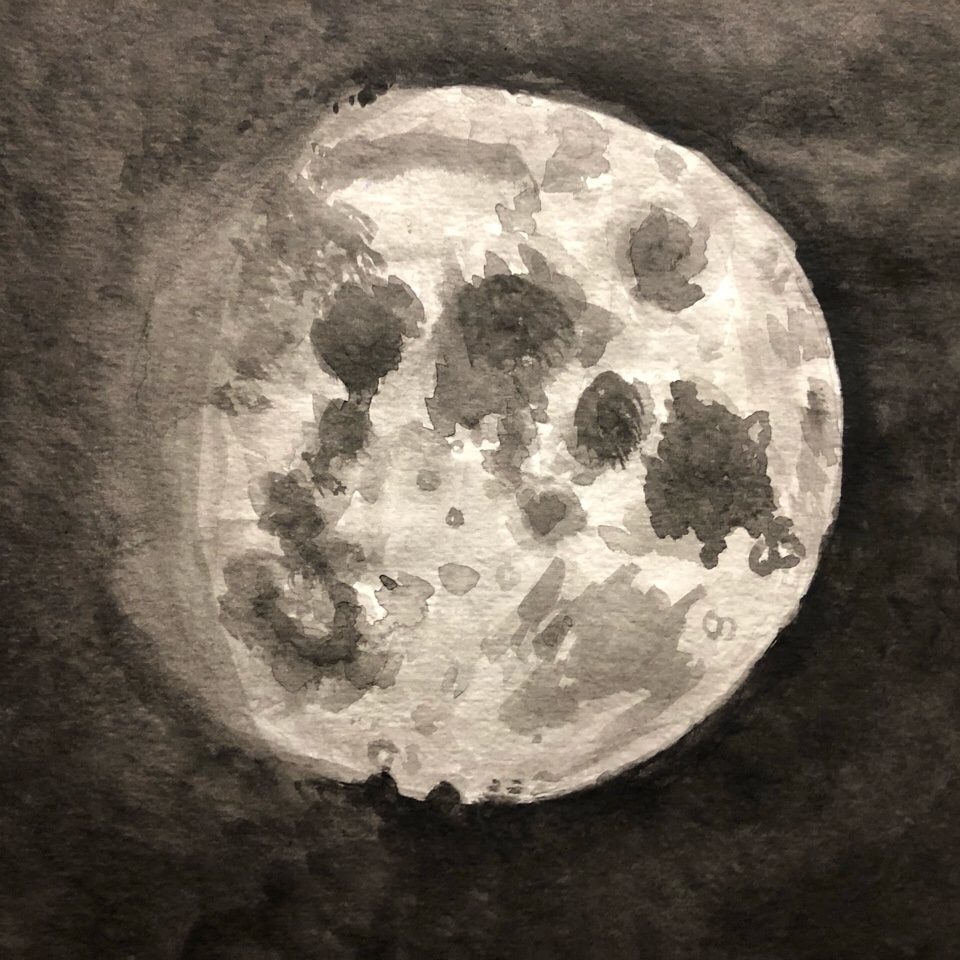
Aside from “Casey at the Bat” and poems of whimsical fancy, my favorite was “Wynken, Blynken, and Nod.” The poem is capable of inducing a dream-like, magical state in the young. Somehow, it is vivid in my mind; words from the poem seem to float across a sea of their own and reach those three fisherman in the wooden shoe drifting in the timeless sea in my head. I can still see the Old Moon and Twinkling Stars in the sea-foam in my mind’s eye. Whatever was conjured for me then is still what I see when I think of the poem.

Yet what made it more profound was that mother would sing it to us: I do not know the tune she borrowed for it, but suspect it was an old Welsh or folk lullaby – nearly like the melody to “Greensleeves.” Coupled with Eugene Field’s ability to create such a vivid children’s poem, the soft, melancholic melody my mother sang it to (quite slowly) made it imprint even more on me. I have never asked my brother if he shared the same thoughts, but I suspect he did and does.

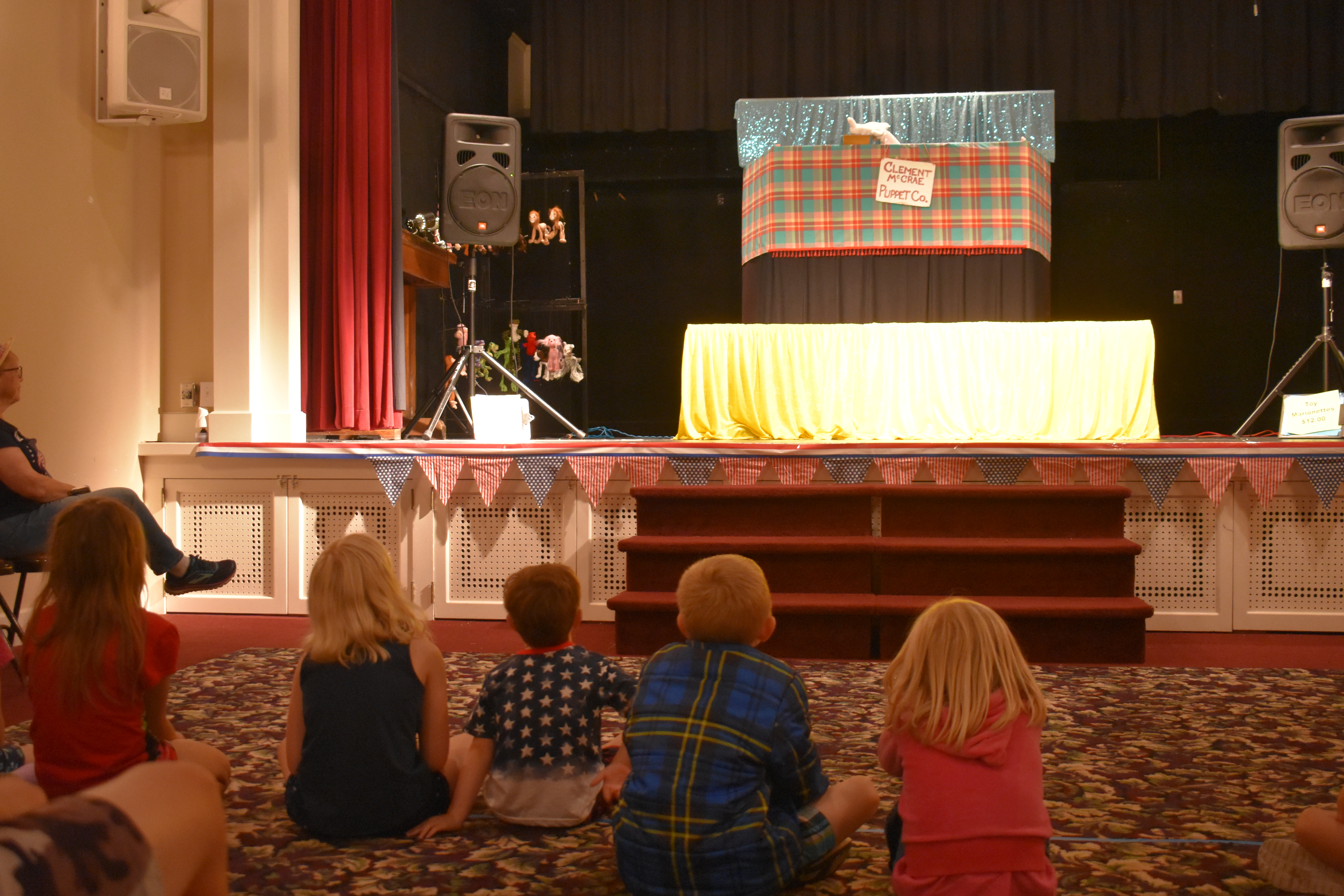
Childhood is such a dream-like state as it is. The children in the photo above are watching a puppet production at a place called “Children’s Corner” in my home town. The local museum sponsors these events, and I like that they have used such wonderful folks to entertain the small ones with. Let them dream in their waking states and sail across their own twinkling star filled seas guided by an old moon. Let their lucid visions be clear, and let them remember them well; childhood comes only but once.
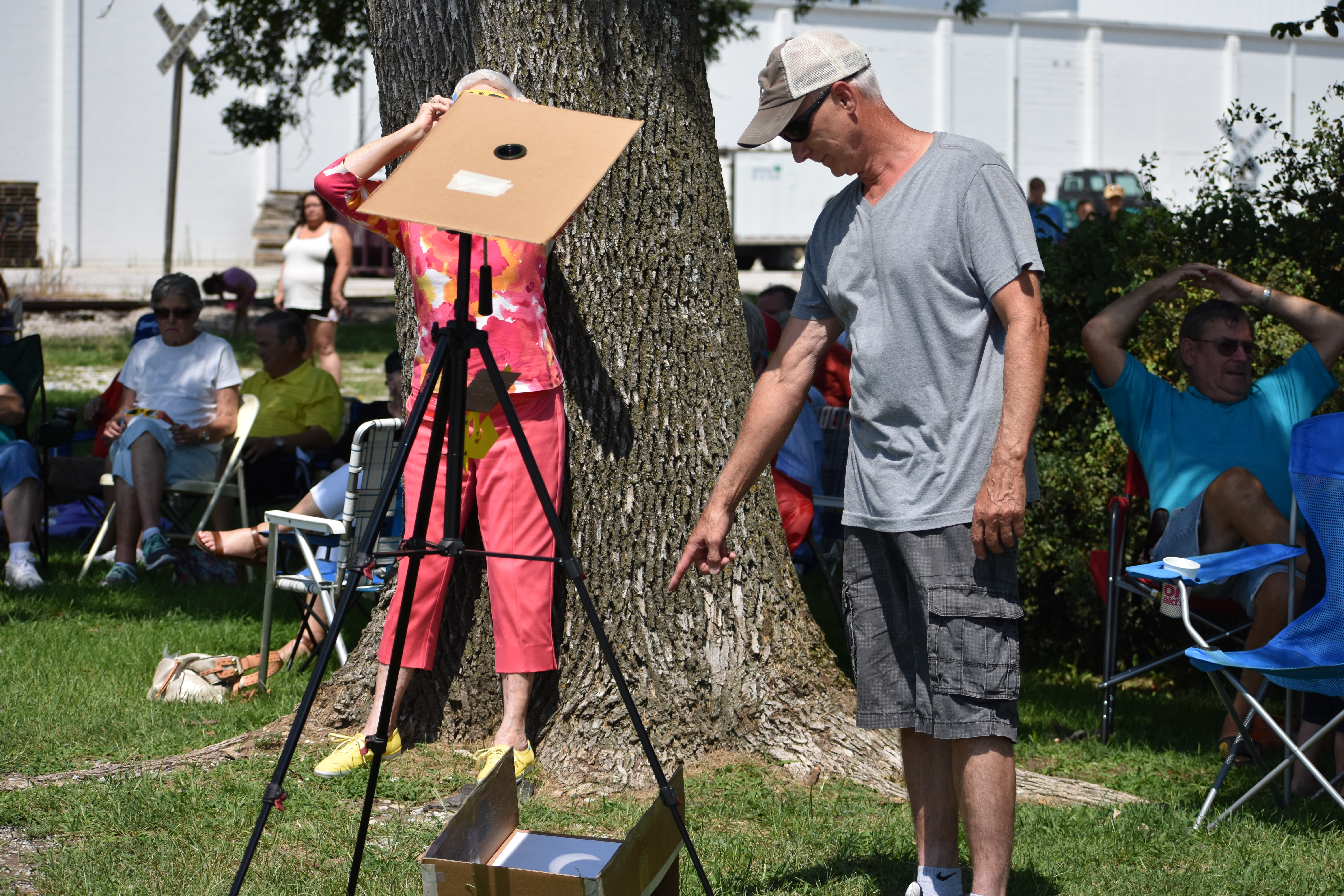
A 50s Sci-Fi?

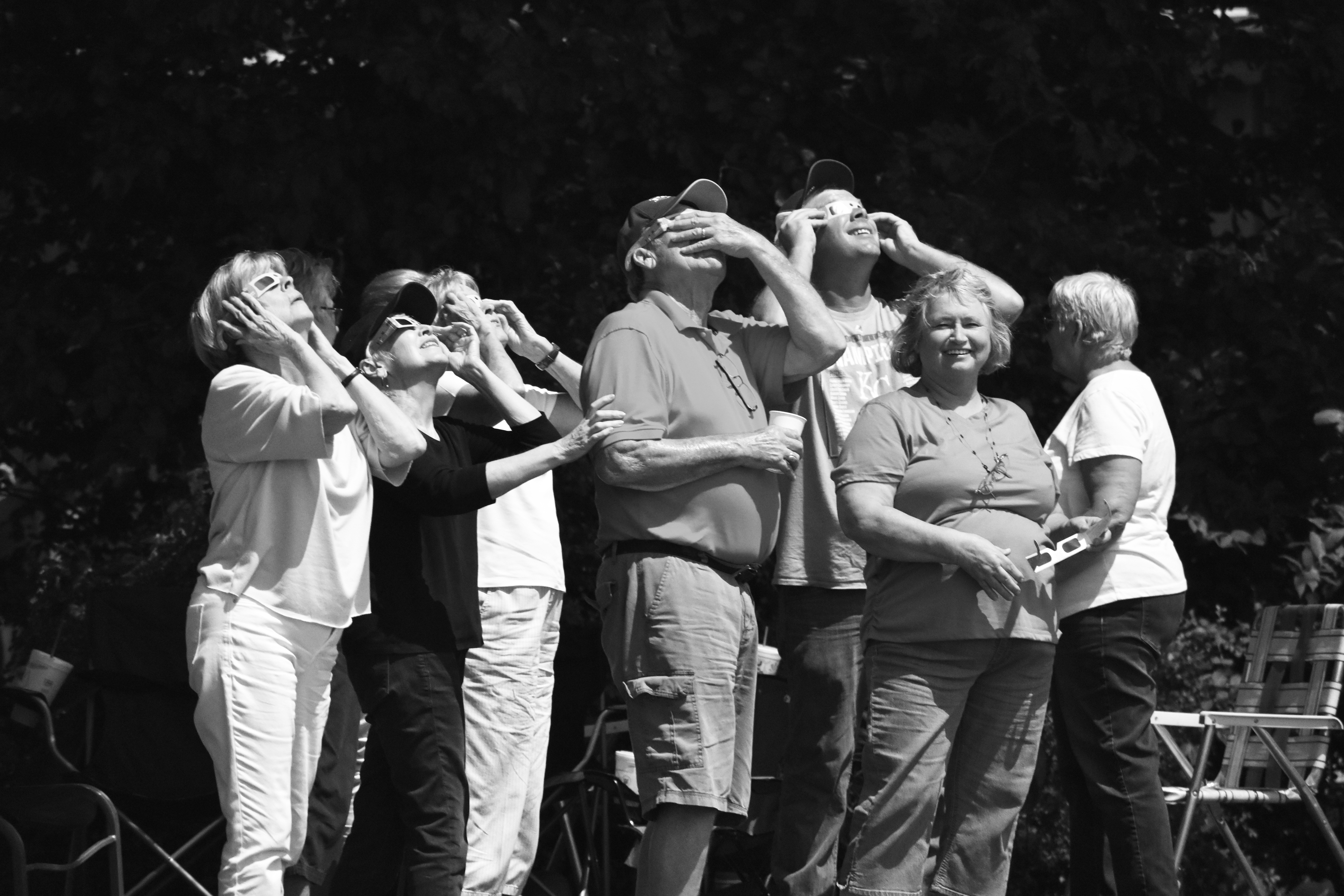
Our community celebrates solar eclipses like a lot of other communities do: they form “watch eclipse parties” and wait for the big moment.

The image above is one of the instances where the path of the eclipse happened to pass over our location. Yet, when I looked back through my photos of this eclipse about a year later, I noticed that it would have made a great 1950s sci-fi movie poster: “Alien Above,” or “They’re Coming from Outer Space!”

Eclipses, lunar and solar, are such amazing natural events. To me, I suppose, they represent human being’s attempts to manage time, understand the universe we live in, and just be awed by something so distant but large. Plus, it’s just really cool.

Ptolemy said that the Babylonians recorded eclipses; there are potential eclipses carved in stone in Ireland dating back to about 5,000 years ago, too. Even Christopher Columbus predicted a lunar eclipse once to save he and his crew’s hides while in the New World.

Even using tools and materials available to Galileo, we view eclipses today. We are still fascinated by astronomical events and hope we remain so.

Religious Decay?

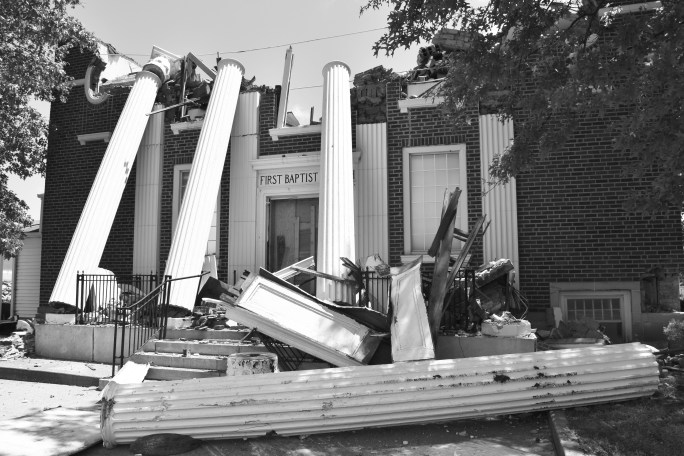
A few years ago, the folks in our community built another Baptist church. The old one, of course, was torn down. But for a little while the 100+ year old structure’s demise was on display for the whole community to drive by and see.

Today, although the younger crowd is probably more likely to say they do not attend church, Americans are – in large part – still a nation of believers. According to the Pew Research Center (https://www.pewforum.org/religious-landscape-study/), about 70% of the responses to their polls (which includes 35,000 families) indicate that Christianity is the dominant faith in America: 25% of that 70% is Evangelical Protestant, followed closely (20%) by Catholicism.

Non-Christian Faiths make up almost 6% of American believers; 22% are “not affiliated” (with 3% reporting atheism). The major point here, however, is that 97% believe in something with the vast majority indicating they follow – or at least acknowledge – a major, recognizable religion. I’m not sure that indicates “religious decay” in America.

The photo I took here can have lots of meanings – but the loss of religion in America is not one of them.

The Dream of Jupiter

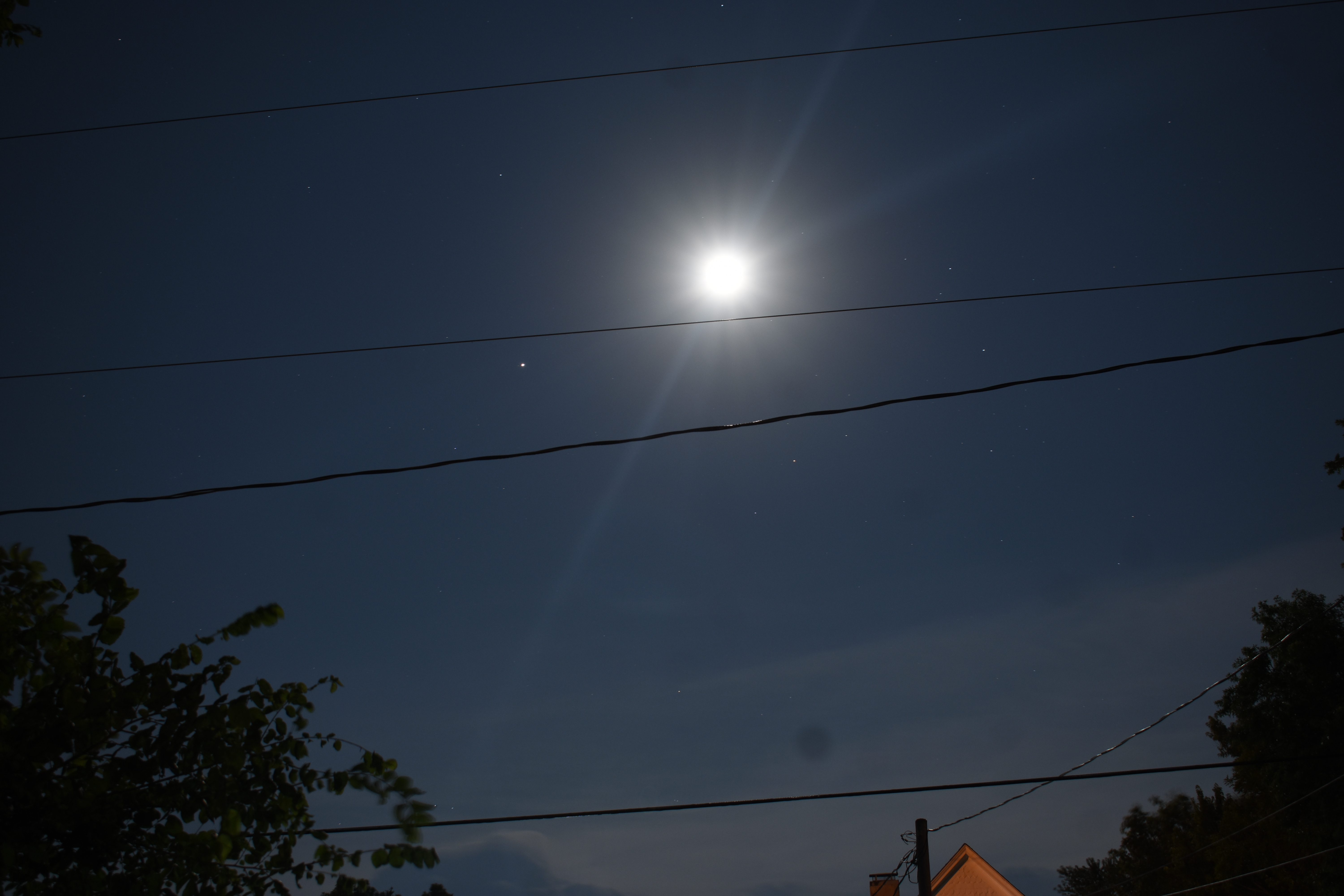
Jupiter, at its closest to the Earth this month, makes for a good photo. Even a short time lapse exposure of the moon at near full (the Strawberry Moon) makes it look like the sun. What I find interesting about this photo is the surrounding elements: the power lines and small stars visible in the background. The photo was taken at about 10 p.m. and further off is a thunderstorm moving in.

Every time I photograph any heavenly body I am reminded of just how small we really are. Remember Carl Sagan’s “Pale Blue Dot” speech? The photo taken from Voyager of the Earth as it traveled outward in our solar system? We, the small blue dot caught in a ray of sunlight; everything seems so insignificant.

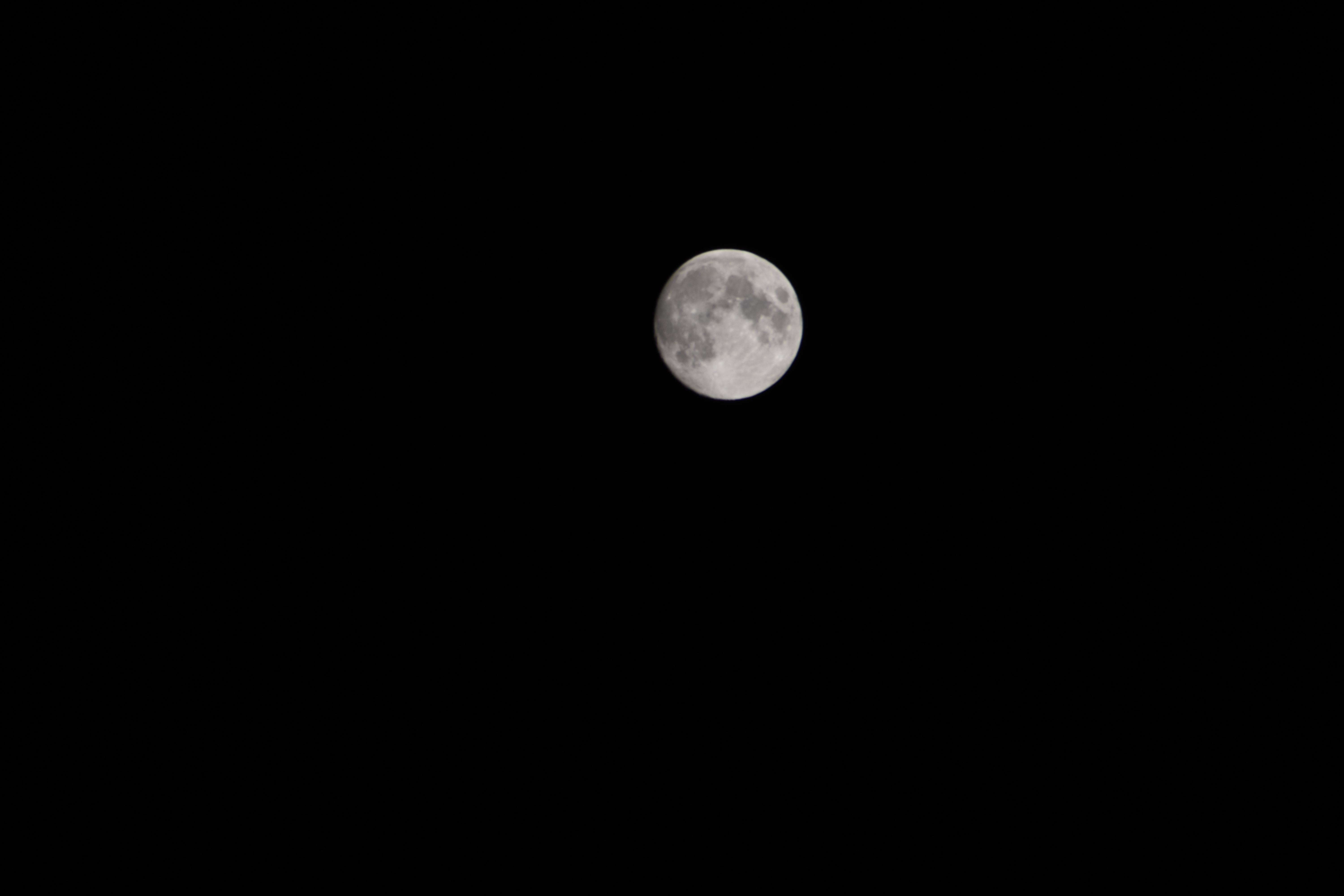
Of course the moon itself is alluring (so I included a photo of it alone). Yet, there I was, looking out at distant objects that humankind has tried to reach out and touch since we looked up. A human being has still never went further than 239,000 miles away from Earth (the distance to the moon), even though we have constructed probes and landers that have went much farther – and are still traveling or working.

The near-full moon, June 15 (2019).

So, there is the moon – the furthest a human has traveled, sitting next to Jupiter, where no one has yet traveled, but probes have been sent to, and in the foreground the same technology from about 1900 (power lines); the top of the house, too, is “old technology” construction. I mean, people have built houses like that one for hundreds of years. It is a mix of old and new; of natural and man-made elements.

A Pattern of Image

I am not sure there is one coherent pattern to everything – maybe there is. But I do know that human beings tend to be attracted to inherent symbolism and truths. We look for patterns; they are often just below the surface. Some are quite mysterious to us and remain so. There are works of art we still don’t fully understand but are drawn too.

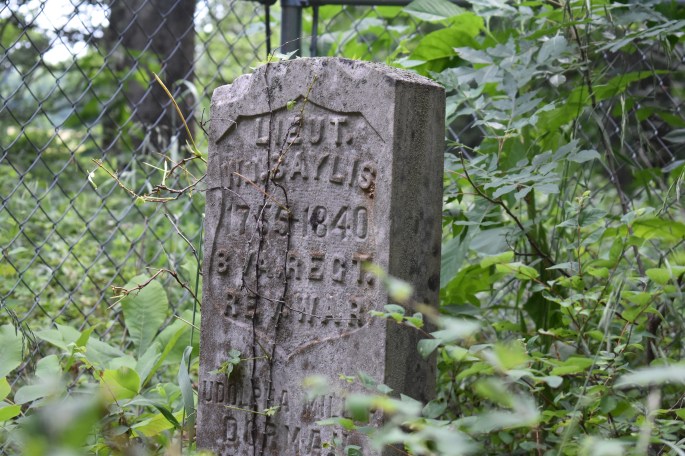
Today I want to share with you a photograph of a unique gravestone. What makes it unique is it’s location: it is the only known grave in my county (in a small town in Missouri) of a Revolutionary War Soldier. The story of William Baylis is quite fascinating in and of itself. But what struck me as interesting was the state of the grave marker and the background of the picture. To me it represented a deeper meaning about our relationship as Americans to our founding principles and ideas and the force of Nature (I mean that as nature in all aspects, including human nature). Note the man made components and the naturally occurring elements in the photo. Also, know that his grave is in a field that still has cattle ran in it.

In 1916, his grave was restored and a marker placed over his original headstone by the Daughters of the American Revolution. Since that time, periodic attempts to clean off the vines growing about or cut the saplings around his grave have occurred. While I was photographing the tombstone, I even took out my pocket knife and cleared some of the growth back. But, largely the grave site is forgotten. It is not in a very accessible place and is rarely frequented except by a few people who know where it is. I’m not sure if that is good or bad. Perhaps, in the long run, a little cleaning and restoration of a barrier is more profitable to its preservation than having an immediate access to it that is unguarded or watched. I am personally torn in that regard because I believe history should be available to any seeker; yet I also know not all seekers are benign. Unfortunately, some people just do not respect the sanctity of some things.